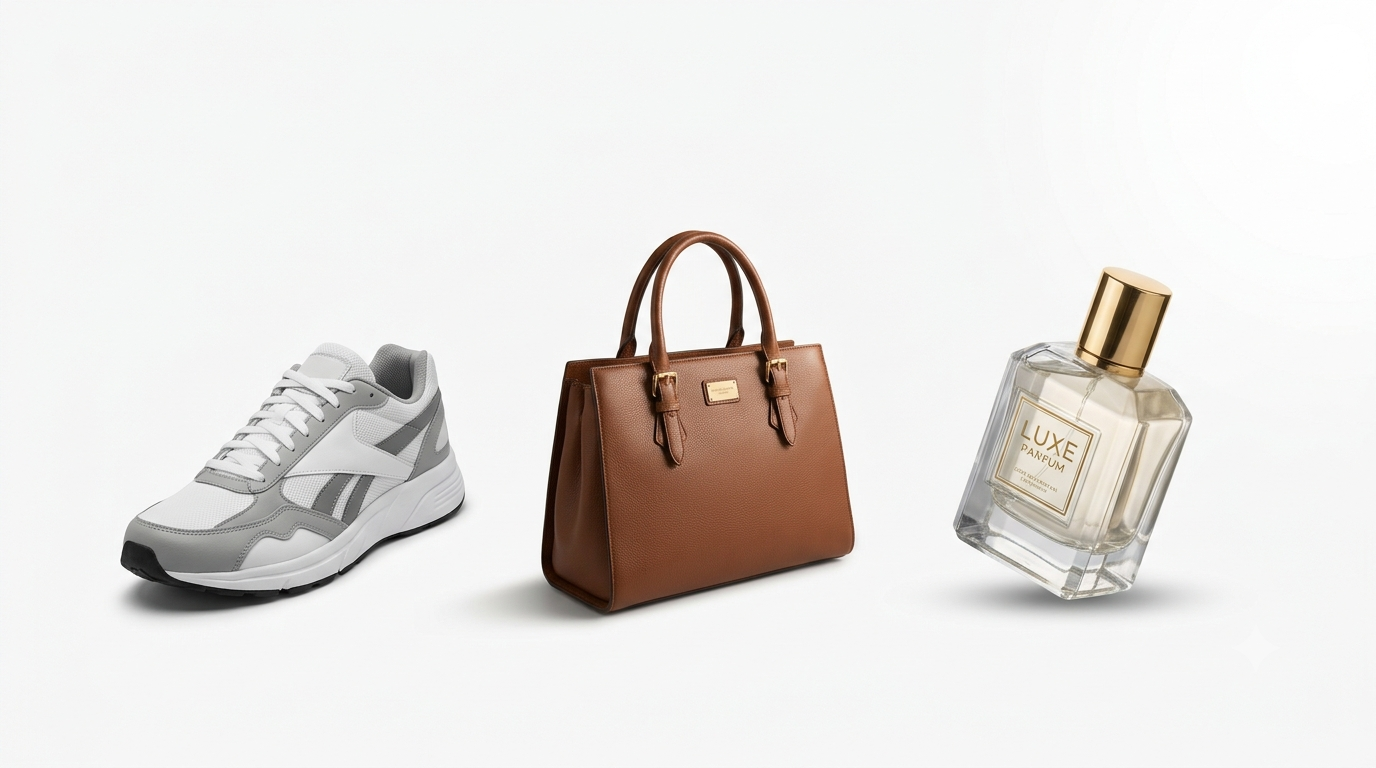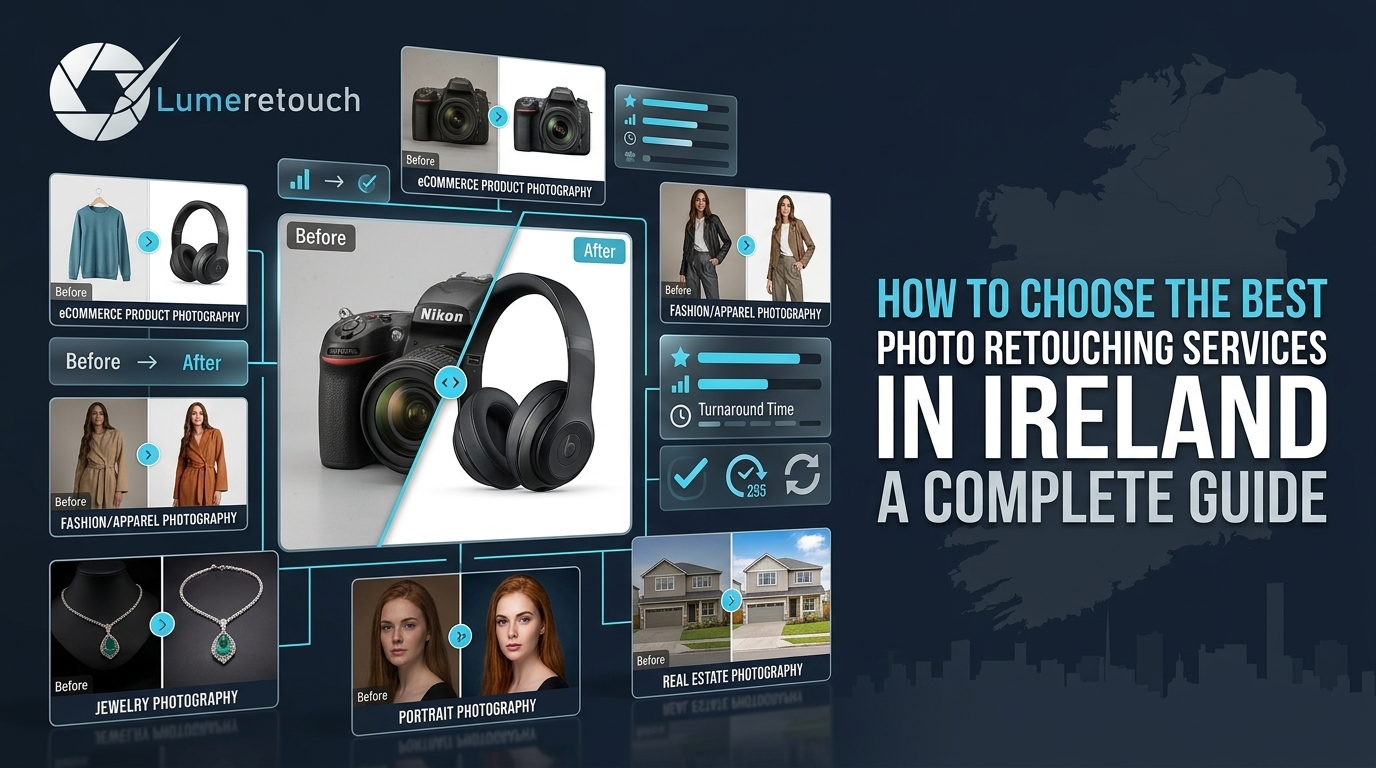
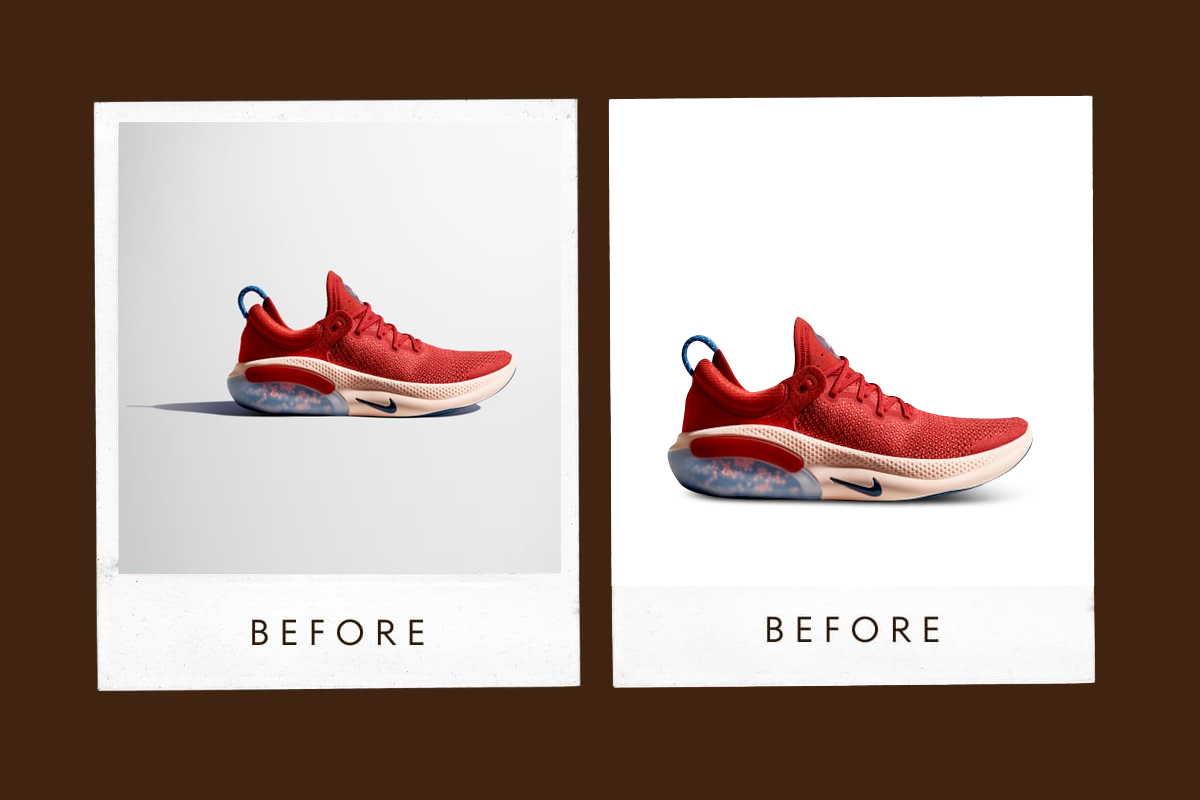
Picture this: you’ve built a great product, priced it competitively, but your photos don’t do it justice. The background is messy, the colors are off, the shadows look unnatural and the buyer scrolls right past to the next listing.
This is one of the most common (and costly) problems ecommerce sellers face today. Research from the Baymard Institute shows that 56% of online shoppers say product images are the single most important factor in their purchase decision ranking higher than reviews, descriptions, or even price. In other words, no matter how good your product is, poor image quality can quietly kill your sales. In this article, we’ll break down what professional product photo editing actually is, why your business needs it, and how to choose the right editing partner.
What is Product Photo Editing?
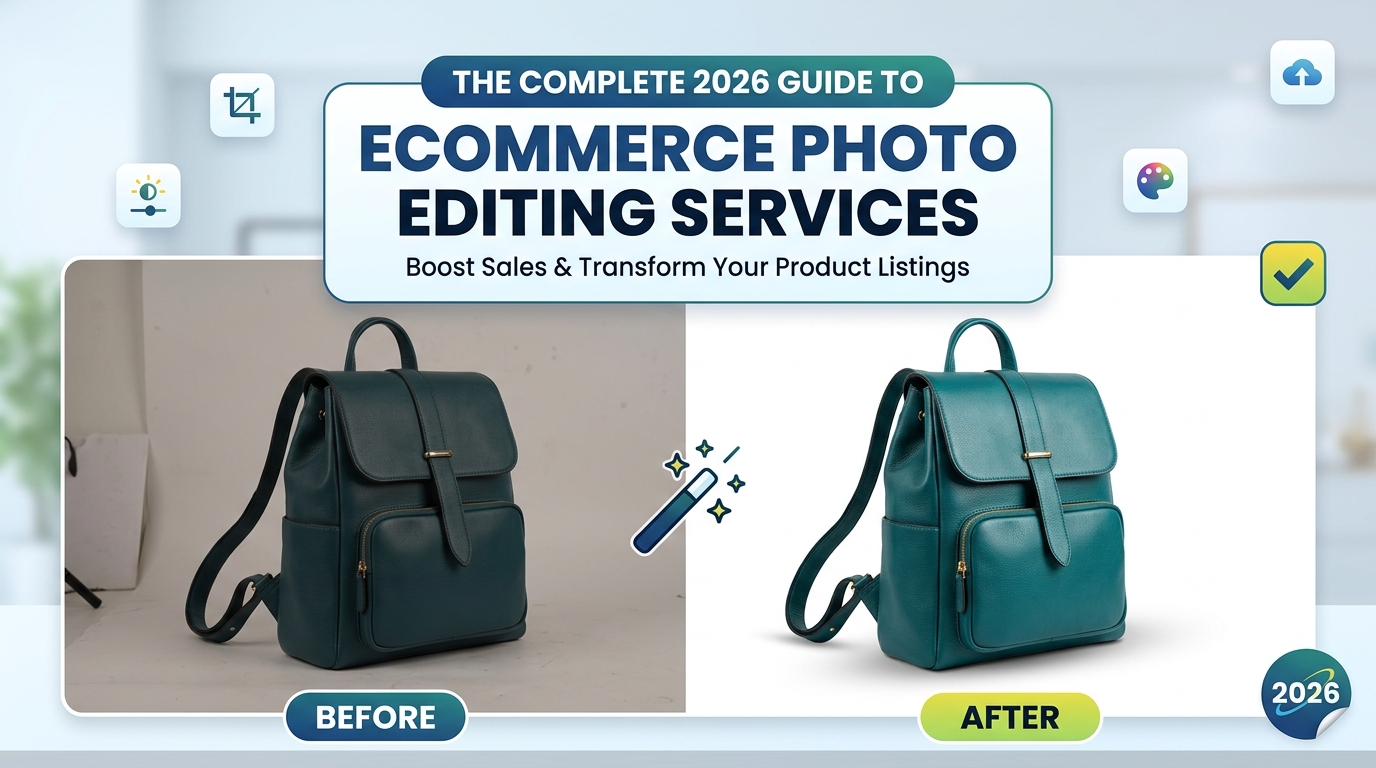
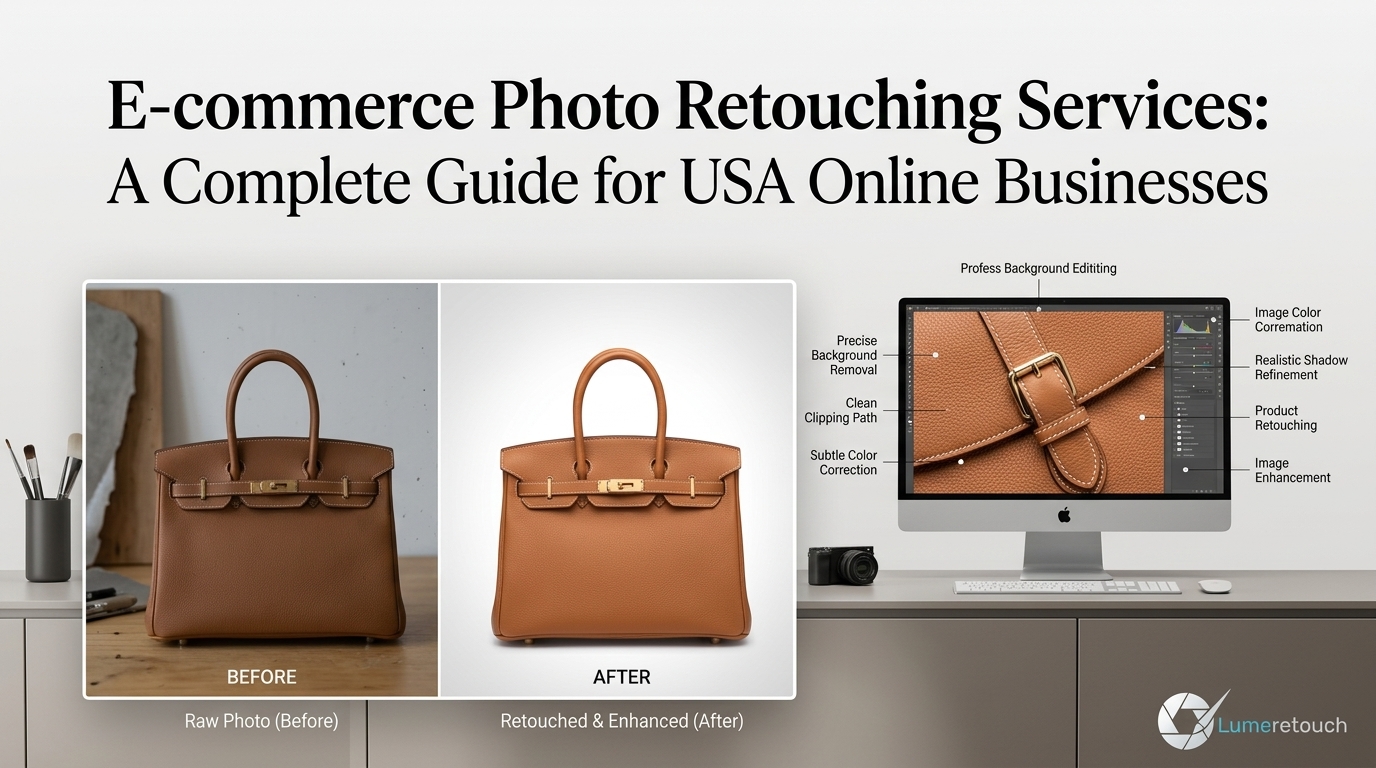
Product photo editing is the post-production process of transforming raw product photographs into polished, consistent, marketplace-ready images. It typically includes:
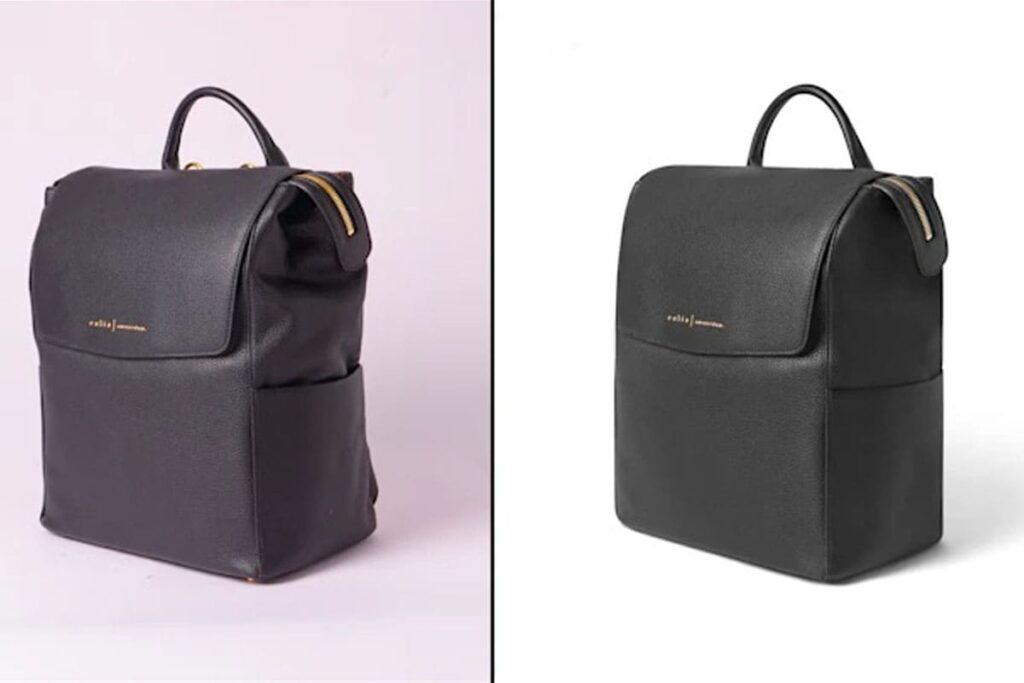
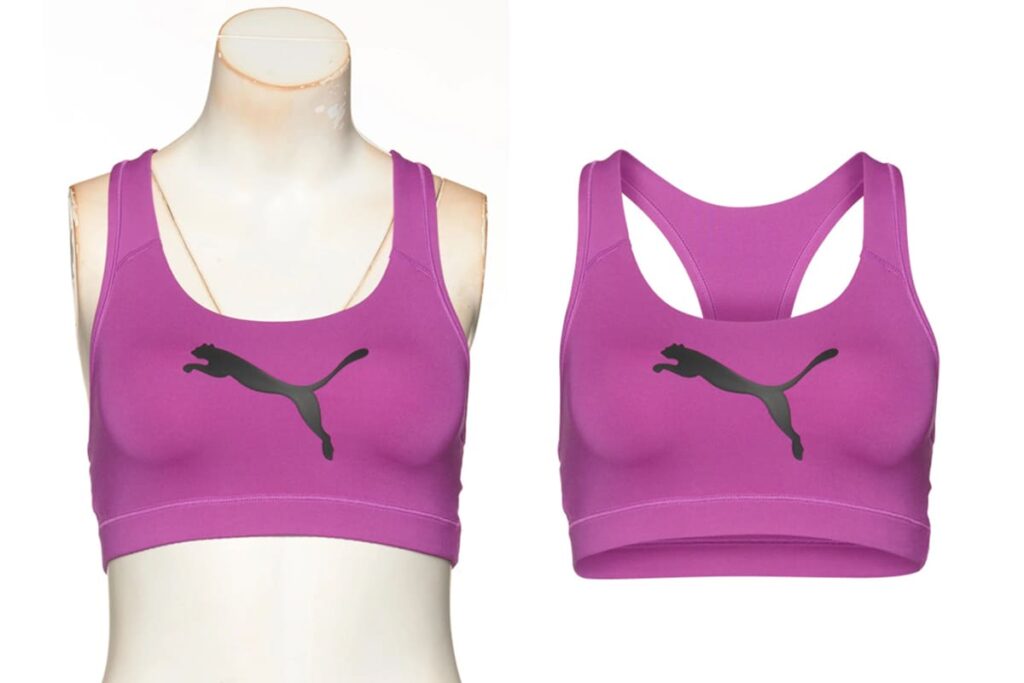
- Background removal/replacement – creating clean white or brand-specific backgrounds
- Color correction – matching the image color to the product’s true, real-life color
- Retouching – removing dust, scratches, blemishes, and distracting elements
- Shadow and reflection creation – adding natural depth so the product doesn’t look “flat”
- Cropping and resizing – formatting images to meet the exact requirements of marketplaces like Amazon, Shopify, or Etsy
In short, it’s not just about making a photo “look nice.” It’s about building a consistent visual standard across your entire catalog one that builds buyer trust and drives purchase decisions.
Why Does Your Business Need It?
If you sell online, your product photos are effectively your virtual salesperson. In a physical store, a customer can pick up and inspect the product; online, the image is all they have. Here’s why professional editing matters:
- Large, high-resolution, well-edited images consistently drive more purchase decisions, since the image is often the shopper’s only way to evaluate the product before buying.
- Consistent, professionally edited photos make a brand look more trustworthy and established even for a brand-new seller.
- A 2026 Shopify study found that stores using professionally edited product photos saw significantly higher conversion rates than stores using unedited smartphone shots, even when selling the exact same product at the same price.
- Marketplaces like Amazon, Etsy, and Shopify enforce strict image guidelines listings that don’t meet them can get suppressed or rejected outright.
Common Problems with Unedited Images
Here are the issues that show up most often in unedited or casually shot product photos:
- Messy or irrelevant backgrounds – cluttered rooms, harsh shadows, or stray objects that pull attention away from the product.
- Inaccurate color representation – lighting during the shoot often skews the product’s true color. This doesn’t just hurt conversions it’s a major driver of returns.
- Inconsistent style across the catalog – different angles, lighting, and backgrounds from image to image make the whole storefront look unprofessional.
- Low resolution or blurry images – photos that pixelate on zoom instantly erode buyer trust.
- Non-compliance with marketplace guidelines – wrong aspect ratio, size, or background requirements can get a listing rejected or hidden from search.
Notice that most of these problems trace back to color accuracy and consistency both of which directly affect purchase intent and, later, return rates.
Professional Editing Workflow
A reliable photo editing team typically follows a workflow like this:
- Image intake and quality check – reviewing raw photos to flag what needs retouching
- Background removal/cleanup – stripping the original background and replacing it with white or a brand-specific one
- Color correction and calibration – using a color reference or swatch per product, with calibrated monitors, to ensure accurate color matching
- Retouching and shadow work – removing blemishes and dust while adding natural shadows/reflections that preserve texture
- Batch consistency enforcement – applying the same editing standard across the entire product set
- Formatting and resizing – exporting to the exact dimensions and file formats each platform requires
- Final QA and delivery – client review, revisions if needed, and final handoff
Many agencies today combine AI-powered tools (like automated background removal) with manual human retouching, balancing speed with the accuracy that delicate products like jewelry or fine textures still require.
Benefits for Ecommerce Businesses
Investing in professional photo editing pays off in several concrete ways:
- Higher conversion rates – clean, consistent images directly translate to more sales
- Lower return rates – accurate color and true-to-life representation reduce “doesn’t match the photo” complaints
- Stronger brand trust – a professional look makes even a small or new business feel established
- Better SEO and engagement – quality images keep shoppers on the page longer, reducing bounce rate and supporting search ranking
- Marketplace compliance – easier adherence to Amazon/Etsy/Shopify image policies, reducing the risk of listing suppression
- Scalability – maintaining consistent quality across thousands of SKUs, which is difficult to do manually in-house
How to Choose a Photo Editing Company
When picking a photo editing partner, keep these factors in mind:
- Portfolio and niche experience – have they worked in your specific industry (fashion, jewelry, electronics, etc.)?
- Turnaround time – how fast can they deliver on bulk orders?
- Consistency guarantee – do all images in a batch follow the same style and standard?
- Revision policy – do they offer free revisions, and how many rounds?
- Marketplace expertise – do they understand Amazon/Shopify/Etsy image requirements?
- Pricing model – per-image vs. bulk package pricing, and which fits your volume
- Data security – how safely do they handle your product images and catalog data?
The safest way to evaluate a company is to start with a small trial batch before committing to a full catalog.
FAQ
How long does product photo editing take? Most agencies deliver within 24–48 hours per batch, though bulk orders or complex retouching can take longer.
Is AI editing enough, or do I still need manual editing? AI now handles repetitive tasks like background removal with near-human accuracy, but delicate work like jewelry or fine texture retouching — still benefits from a manual human touch. Most successful sellers use a combination of both.
Can I use the same edited photos across every marketplace? Not usually. Each marketplace has its own image size, background, and format requirements, so images should be formatted per platform.
Is professional editing affordable for small businesses? Most agencies offer bulk or subscription pricing that significantly lowers the per-image cost, making it accessible even for smaller sellers.
Does color correction actually reduce returns? Yes. Mismatched color between the photo and the real product is one of the leading causes of online returns, and accurate color calibration significantly reduces this issue.
Make Your Product Photos Professional Today
Is your catalog still running on inconsistent or unedited images? Don’t wait Get a Free Quote today and see how professional editing can boost your conversion rate.